
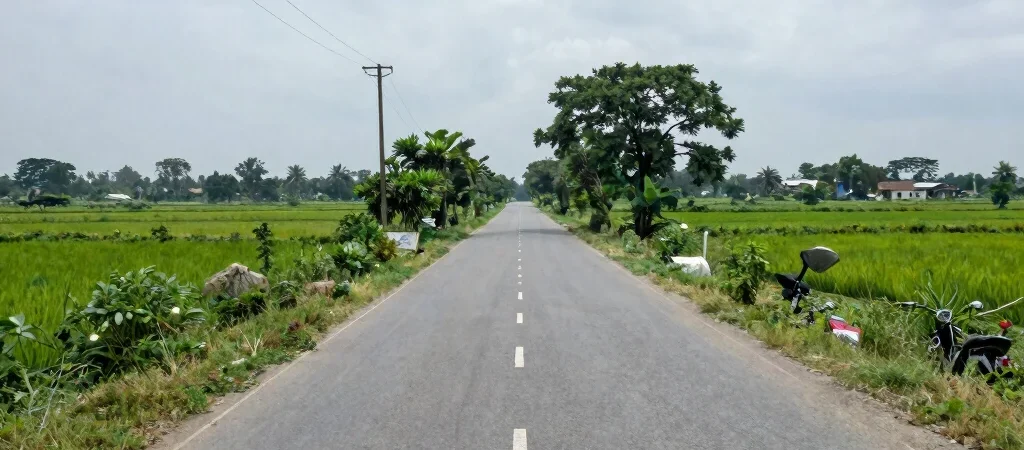
For someone planning a journey across Sunamganj, a road headline without a place name is barely an update. The district covers communities with different routes and local needs, so broad wording can create confusion even when the underlying information is accurate. The first responsibility of a local road report is to tell readers which place it concerns.
Identify the route clearly
A useful report names the upazila and, when available, the road, connecting settlements, or affected stretch. If the precise location is not yet confirmed, say that rather than implying the entire route is involved. Readers should be able to tell whether an update concerns Sunamganj Sadar, Chhatak, Jagannathpur, or another part of the district.
Distinguish plans from progress
An announced project, active construction, and a completed repair are different stages and should not be described interchangeably. The report should attribute project details to the relevant source and make clear what has been observed on site. If timing or the extent of work has not been confirmed, avoid turning an expectation into a promise.
Give readers a clear follow-up
When a report cannot confirm whether a route is passable or when work will finish, it should state that limitation plainly. A later update can add verified details from local residents or responsible offices and correct anything that has changed. For readers, a precise account of what remains unknown is more useful than a confident-sounding headline with no usable location.