
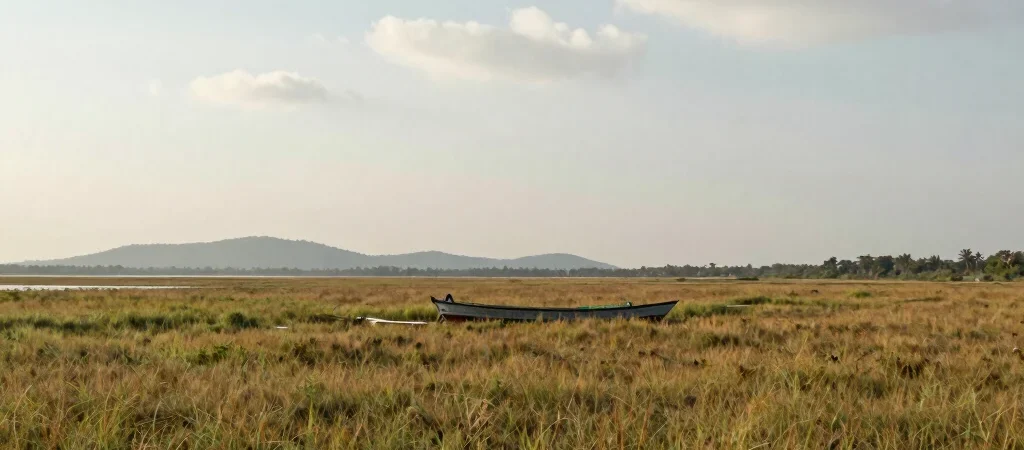
A photograph of open water can make Tanguar Haor look like one uninterrupted landscape. A reported story has a harder job: it must tell readers where an event or change is taking place, what has been verified, and why that detail matters to people in the surrounding communities. Without that context, even a striking image can leave the news unclear.
Put the location in the lead
Tanguar Haor is associated with Tahirpur and Dharmapasha upazilas, but a district-wide reference alone may still be too broad for a local update. Naming the relevant upazila and a more specific place, when confirmed, helps readers orient themselves. It also prevents one area's conditions from being mistaken for conditions across the entire haor.
Show how information was checked
Environmental reporting may draw on field observation, local accounts, or information from relevant authorities, and those sources do not all establish the same things. A reporter should distinguish what they personally observed from what a source reported and what remains unverified. That discipline is especially important when a claim concerns wildlife, water quality, access, or a change in local livelihoods.
Include residents as sources
People who live near the haor can explain how a change affects travel, work, or everyday access in a way a distant overview cannot. Their accounts should be attributed clearly and checked where possible, rather than presented as a substitute for other evidence. The result is a story that treats the haor as a lived landscape, not just a backdrop.